



































“Sit up straight!” – we’ve all heard that command barked at us many times.
For years we’ve been told that good posture means standing tall, shoulders back and your spine straight as a rod.
But that might not actually be true. According to Dr Xand van Tulleken, a doctor and BBC presenter, much of what we think we know about posture is outdated.
In fact, trying to hold yourself bolt upright all day could do more harm than good, he told Morning Live.
As the end of summer looms and many people return to work and studying, here are his three suggestions to improve your posture and in turn help look after your back.
1. Keep moving
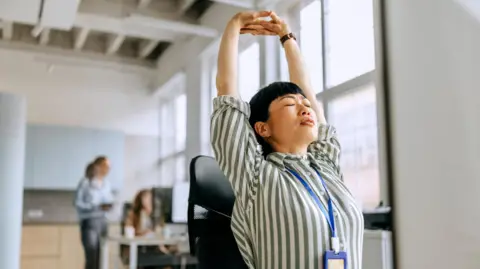
Posture is dynamic, not static. The worst thing you can do is stay locked in one position for hours whether that’s being perched at a desk, lounging on the sofa or scrolling on your phone.
Dr Xand says the key is to change it up.
There are lots of posture corrector straps, back braces and chairs that promise to change your life but “you just need to be moving around in the day”.
A lumbar cushion or an ergonomic chair can make sitting more comfortable and a wearable posture reminder might nudge you to stop hunching but none of these replace the basics of movement, strength and listening to your body.
“You can have the best chair, but if you spend eight hours sitting in it you’ll still have back pain.”

Dr Xand also cautions that some back gadgets marketed as improving posture can force you into one position that constrains and restricts your movement and that’s the opposite of what you want to be doing.
Make sure you stand, stretch and take regular breaks – even small shifts can reset your muscles, he says.
2. Build strength, not stiffness

Good posture comes from strong muscles, but that doesn’t mean you need a gym membership or Olympic ambitions.
Dr Xand suggests regular exercises to build a stronger core and back.
Simple movements like raising your arms above your head and turning your head from side to side “can lift some tension and help you feel instantly better”.
“What we want is for our body to support itself,” Dr Xand explains.
Exercises like pilates and yoga can be a good way to stretch your body and target specific pain points, he says.
The NHS website also suggests simple exercises which can be done at home to improve your strength.
3. Change your mindset

Posture isn’t just about muscles, it’s also about mindset.
The way we sit, stand and move often reflects how stressed we’re feeling about what we’re doing.
Hunched shoulders at a laptop can be as much about deadlines as desk set-up so it’s important to reflect on your attitude towards work or study.
“Pain is not just about muscles, it’s emotional and psychological,” explains Dr Xand.
He says that previously people would be told to focus on their desk set-up without taking into account that pain can be a result of “stress, the amount of time you’re doing your job and whether you do any exercise.”
“Your seat height is important but other facts are also important,” he adds.
So, sometimes fixing your posture is as much about easing your schedule as it is about stretching your spine.
In some cases poor posture (not just back pain) can be down to an underlying medical condition and you should check in with your GP if concerned.
According to the NHS, if you’re suffering from back pain you should try and stay active, take anti-inflammatory medicines and try doing some exercises and stretches.
You should see a GP if your back pain doesn’t improve after treating it at home for a few weeks or the pain is getting worse over time.
Sourse: BBC


