


































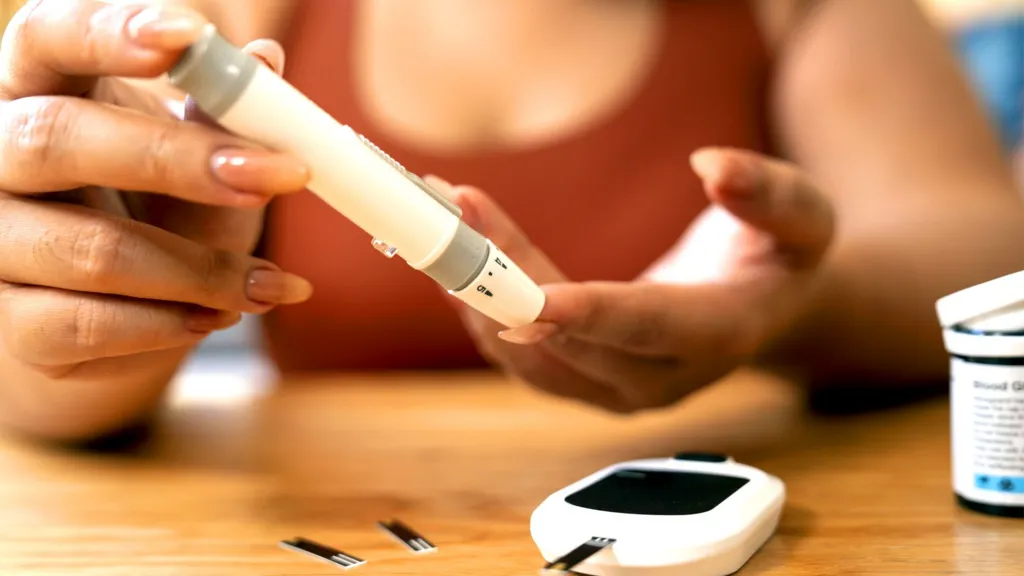
England is seeing a “worrying increase” in young women in their 20s developing type 2 diabetes, experts at Imperial College London have warned.
The rise has largely occurred since the Covid pandemic and is closely linked to increasing obesity levels, according to an analysis of NHS data from 2011 to 2024.
Type 2 diabetes is serious, and can lead to severe complications, such as heart attacks and strokes.
When it develops at a younger age, the disease tends to be more aggressive, raising the risk of devastating complications and cutting lives short, according to Diabetes UK.
Early warning
It is vital that those at risk are diagnosed early to prevent long-term organ damage, the charity says.
Type 2 diabetes can sometimes be put into remission by eating a healthy diet and keeping slim without needing to rely on glucose-lowering medications.
The researchers say newer obesity treatments – such as GLP-1 jabs and pills – might help, alongside healthy eating advice.
About 90% of the six million people in the UK living with diabetes have the type 2 form of the disease rather than type 1, or insulin-dependent, diabetes.
Risk increases with age and older adults still make up the largest proportion of new diagnoses.

But 12,000 people under the age of 30 are now living with type 2 diabetes, with women making up more of those younger cases, according to NHS England estimates.
The most common symptoms include feeling very tired, peeing more than usual and feeling thirsty all the time.
Researchers at Imperial analysed NHS data from the English National Diabetes Audit to study trends over time.
The figures show the disease is decreasing slightly among older adults – who still make up the largest proportion of new diagnoses.
But it is increasing rapidly in people under 40, with some of the sharpest rises in women aged 20 to 29.
At the same time, body mass index (a measure of obesity) at diagnosis has been increasing more quickly among younger adults than in older age groups, hinting at a likely cause.
Obesity rates in England have worsened since the pandemic, with nearly one in three people now affected, according to separate NHS data for England.
The largest increases over time have been in younger adults.
Between 2019 and 2025, the number of new obesity cases rose by 16% in people aged 20-29, and almost 20% in those aged 30-39, while rates fell among adults aged 60-79.
“We think that the earlier onset of severe obesity in young people is increasing their type 2 diabetes risk in early life and pulling down their age at diagnosis,” lead researcher Dr Shivani Misra says.
“This is really worrying given the poor health outcomes from early-onset type 2 diabetes.”
She says much of the discussion about rising rates of the disease among younger people has focused on ethnic minority groups, which have traditionally been considered at higher risk.
But the new data suggests the trend extends well beyond those communities.
“We now see that incidence is also increasing in white populations too, showing that this public health challenge is broadening across the generations,” she added.
Diabetes UK says better follow-up care also needs to be offered to mums-to-be diagnosed with gestational diabetes in pregnancy because it increases the risk of type 2 diabetes after childbirth.
Some studies have shown the chance of type 2 diabetes also increases after being ill with Covid, but that evidence is not conclusive.
Source: BBC


