














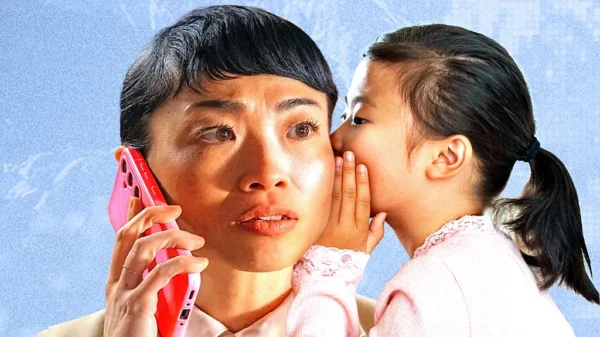





“Being surfers ourselves, and identifying the dearth of local female participation in the burgeoning surf culture of Sri Lanka, we find it important to encourage and help the method of a neighborhood girls’ surf club,” says one of Salty Swamis’ co-founders, Yanik Tissera. One membership member, 30-year-outdated Pulanthiran Nadiya, usually takes her daughters – aged four and 11 – together with her when she surfs. In flip, this has led to extra young girls asking to hitch the club, which was formally registered underneath the Surfing Federation of Sri Lanka in August 2018.
Women’s T20 World Cup 2020: Sophie Devine, Hayley Jensen shine as New Zealand trump Sri Lanka
The truth that ladies should rely on the army for everyday needs not solely places them at larger danger of gender-based violence, but also prevents them from constructing their very own capability inside communities. Women in Sri Lanka’s predominantly Tamil-talking north and east are going through a desperate lack of safety in the aftermath of the long civil struggle. Women’s financial safety is precarious, and their physical mobility is limited. The heavily militarised and centralised management of the north and east – with virtually exclusively male, Sinhalese security forces – raises particular problems for girls there when it comes to their safety, sense of safety and ability to entry assistance. They have little management over their lives and no dependable establishments to show to.