




























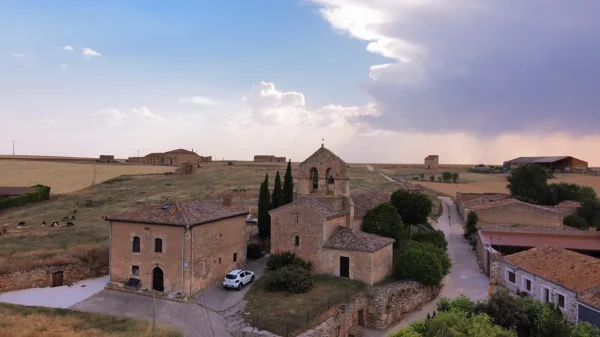
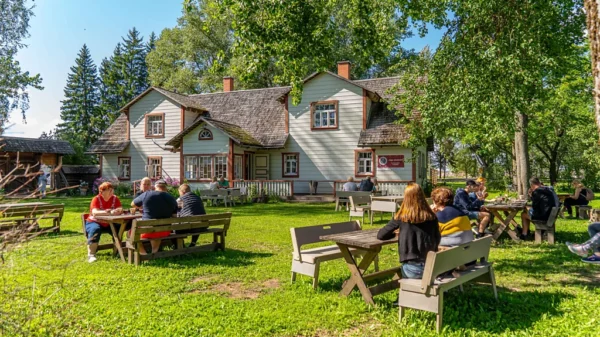
Italy has never depended on novelty to secure its place in the traveller’s imagination. Its appeal lies elsewhere: in continuity, in accumulated meaning, and in cities that have shaped European culture so decisively that they no longer need to assert their importance. As travel in 2026 increasingly favours depth, slowness and discernment, Rome and Florence emerge once again not as destinations to be consumed, but as places to be read.
Taken together, they form one of Europe’s most intellectually coherent journeys. Rome offers scale, power and endurance; Florence offers proportion, clarity and human measure. Moving between them is less a change of scene than a shift in philosophical outlook.
Rome: Power, Memory and the Weight of History
Rome does not reveal itself at once. It is a city whose history is not preserved behind glass but embedded in its streets, churches and public spaces. Layers overlap rather than replace one another, and the result is a city that feels permanently unfinished and therefore alive.
The ancient heart of Rome remains essential. The Colosseum, even after centuries of scrutiny, retains its unsettling force as a monument to spectacle and imperial authority. Nearby, the Roman Forum unfolds as a dense civic landscape: temples, basilicas and triumphal arches that once structured the daily functioning of an empire. The Palatine Hill, quieter and more reflective, offers both physical elevation and historical perspective, revealing Rome not as ruin but as process.
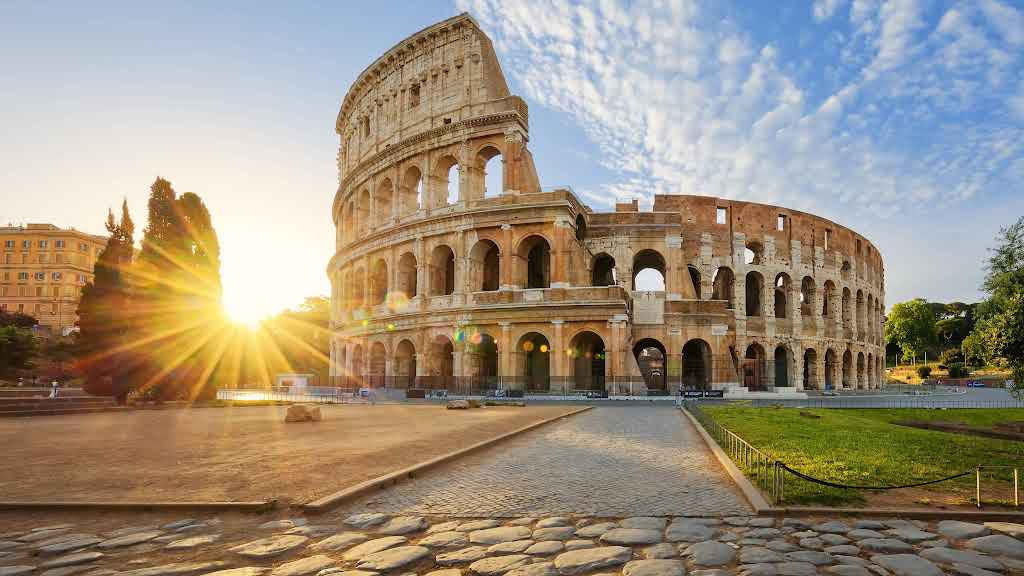
Rome – Italy
Rome’s architectural genius, however, is not confined to antiquity. The Pantheon, with its perfect geometry and vast concrete dome, remains one of the most influential buildings ever constructed. Its survival speaks less to preservation than to relevance. In contrast, the theatrical energy of Piazza Navona demonstrates how Baroque Rome transformed urban space into civic performance, while Campo de’ Fiori continues to operate as a living market square rather than a museum piece.
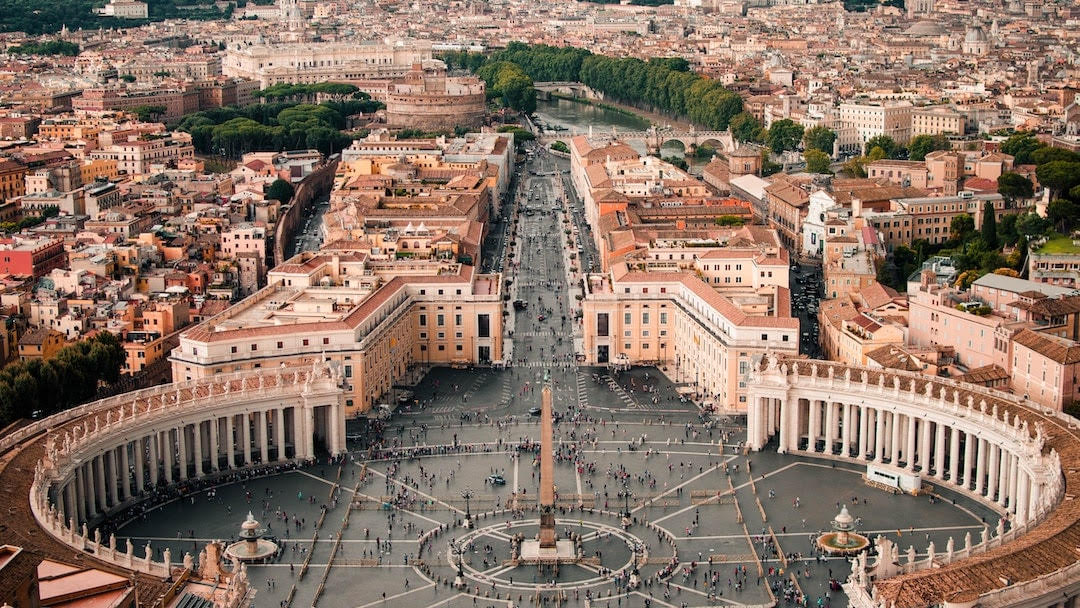
Rome – Italy
Rome’s museums reward discrimination. The Capitoline Museums, overlooking the Forum, provide a lucid introduction to Roman political symbolism and sculpture, housed within Michelangelo’s elegant architectural framework. The Vatican Museums, vast and demanding, remain unparalleled; beyond the Sistine Chapel, the Raphael Rooms and classical collections offer insight into how art was deployed to shape authority and belief. The Galleria Borghese, by contrast, offers intimacy: Bernini’s sculptures, animated and tactile, reveal emotion carved directly into marble.
Churches in Rome function as archives of ambition. From the restrained Gothic of Santa Maria sopra Minerva to the exuberant illusionism of Sant’Ignazio, they chart centuries of theological, artistic and political change. Even St Peter’s Basilica, for all its scale, reveals its coherence most clearly in quieter hours, when architecture rather than spectacle takes precedence.

Where to Stay in Rome
Choosing a base in Rome is as much about temperament as location.
Palazzo Roma, set within a 17th-century aristocratic palace along Via del Corso, offers an experience rooted in intimacy and historical texture. Over the centuries, the building has been home to prominent Roman families and intellectual circles, and this sense of cultural continuity remains palpable. Frescoed walls, marble staircases and carefully preserved architectural details lend the hotel the atmosphere of a private residence rather than a conventional luxury property.
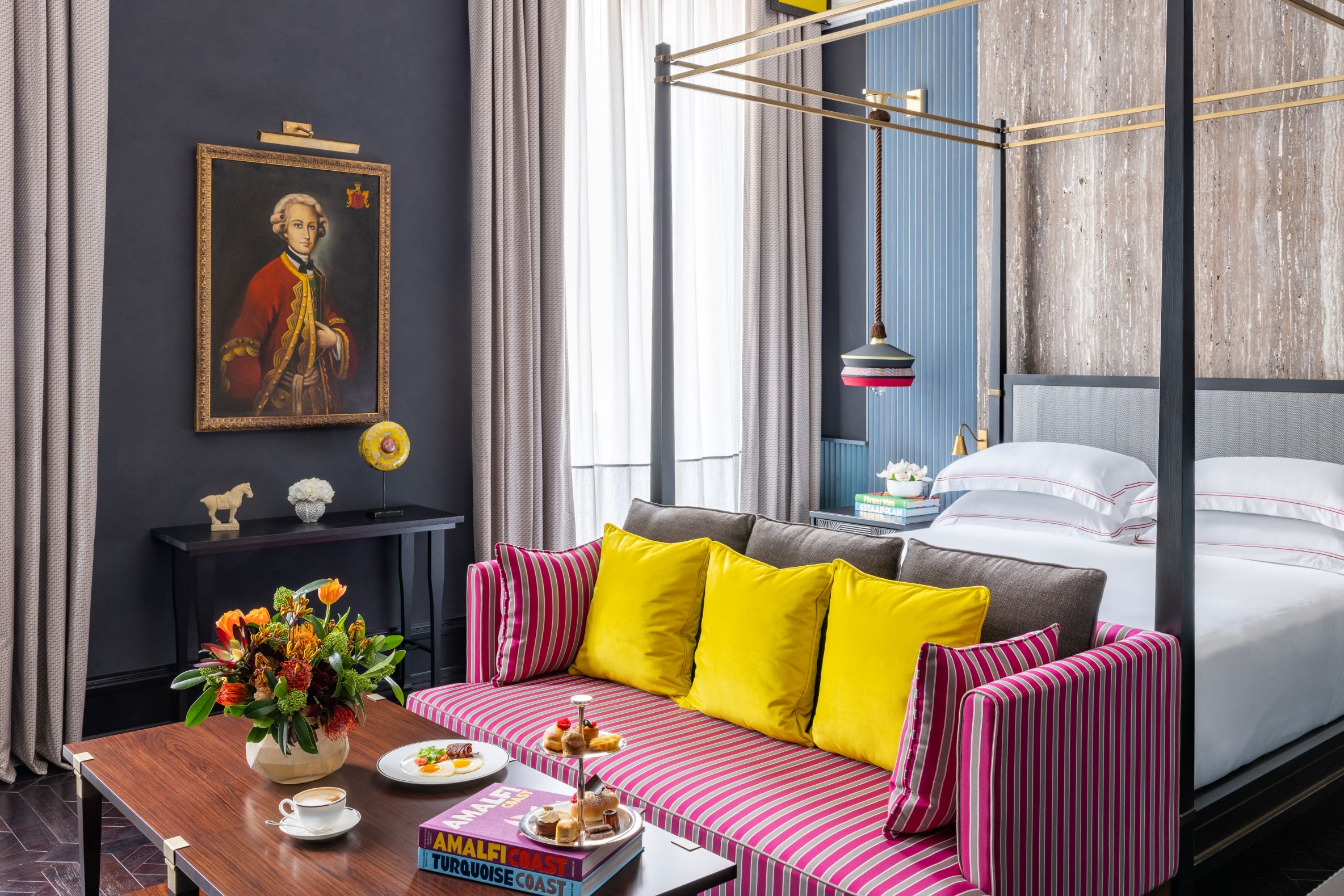
Palazzo Roma
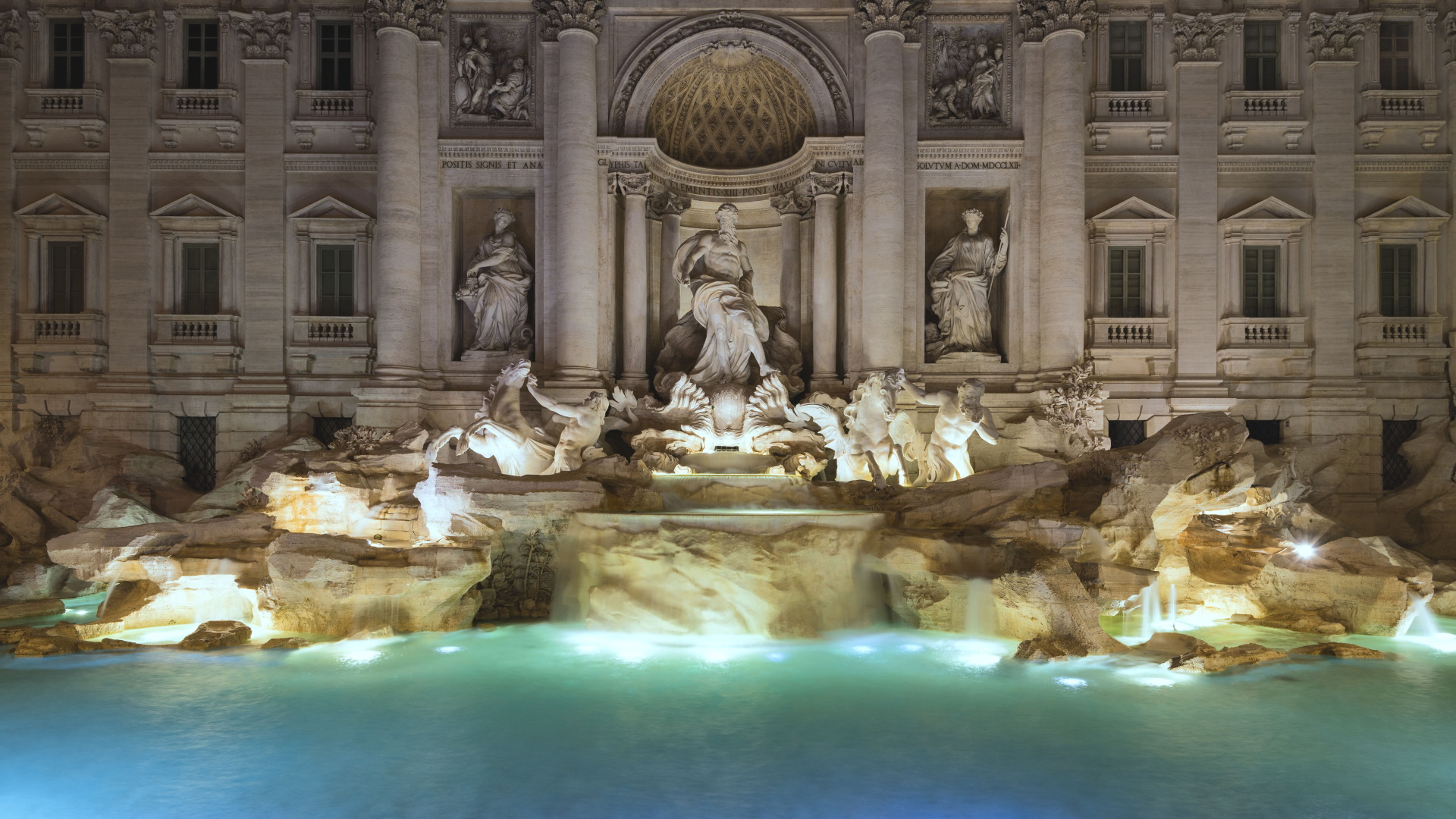
With just 39 rooms and suites, Palazzo Roma prioritises discretion and calm. Its location moments from Piazza Venezia, the Pantheon, the Trevi Fountain and the Spanish Steps, allows guests to experience Rome on foot, returning easily throughout the day. Refined dining, overseen by Executive Chef Federico Sartucci, complements the setting, while attentive but unobtrusive service reinforces the sense of a cultivated Roman retreat.
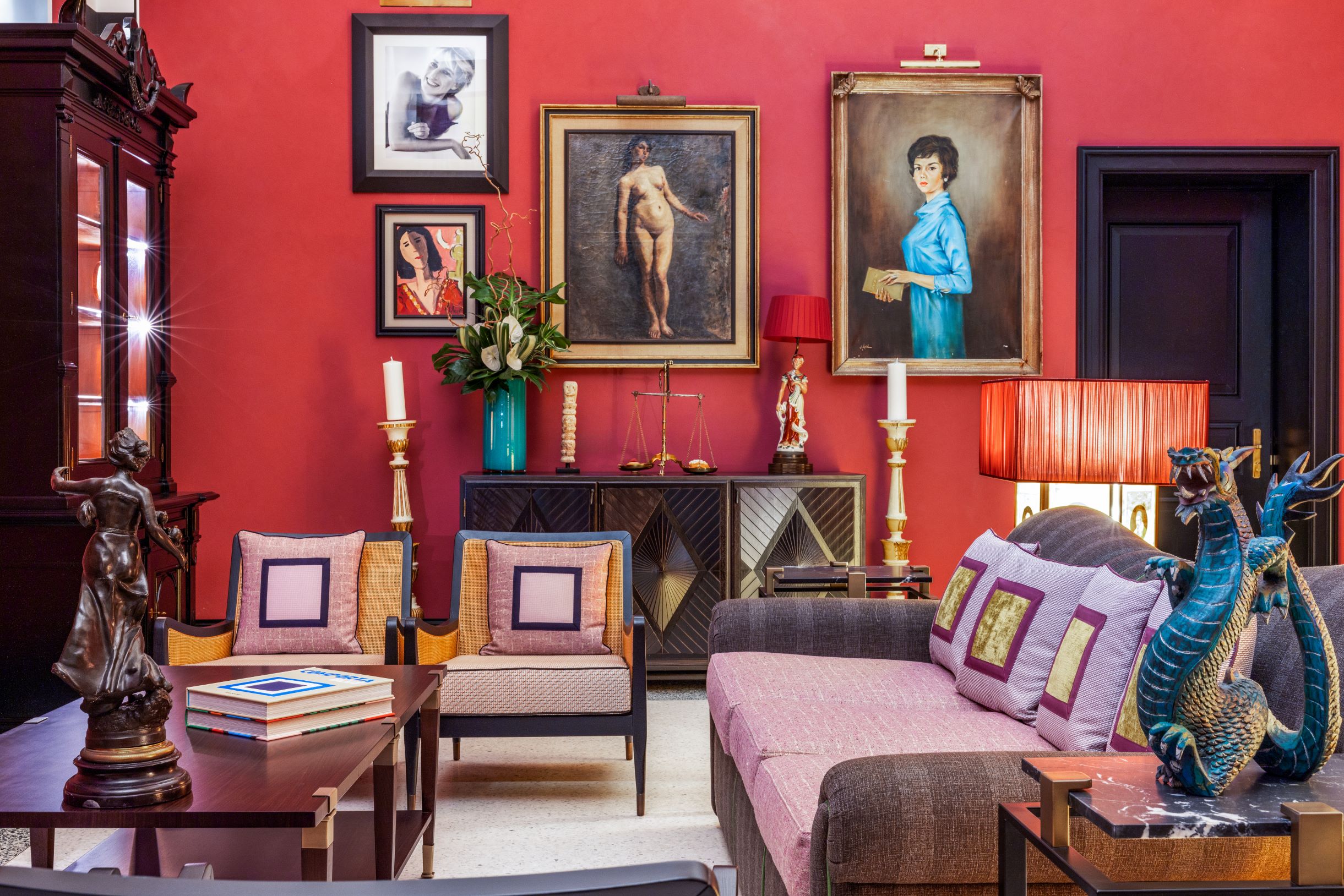
Palazzo Roma
A different vision of the city is offered by Anantara Palazzo Naiadi Rome Hotel, one of Rome’s largest and most architecturally commanding hotels. Occupying a vast crescent-shaped palazzo overlooking Piazza della Repubblica, the property is built directly above the ruins of the Baths of Diocletian, integrating archaeology into its very structure. Nineteenth-century marble architecture, grand interiors and expansive public spaces frame Rome as a capital of imperial scale.
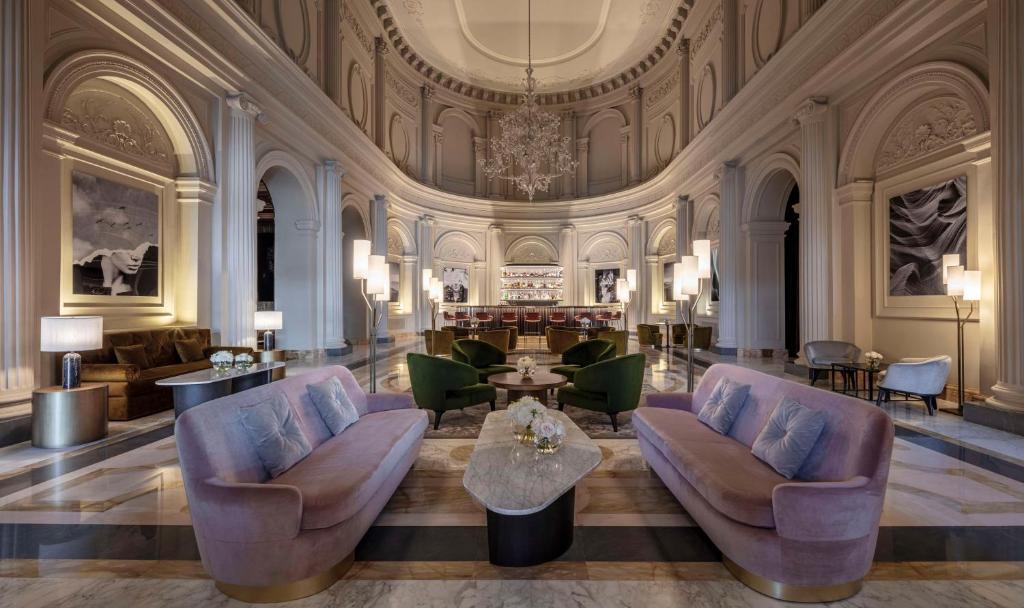
Anantara Palazzo Naiadi Rome Hotel – Rome
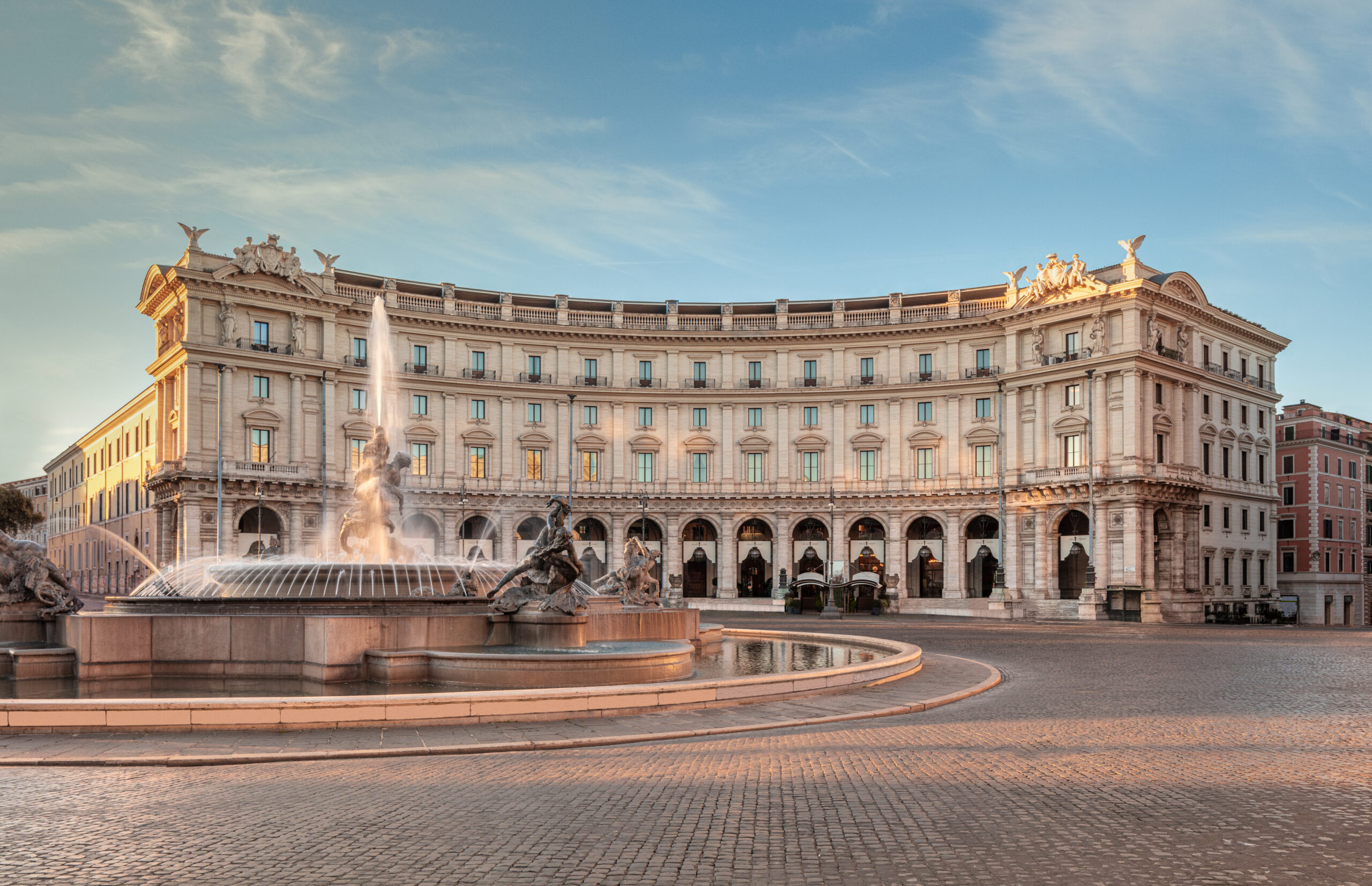
Anantara Palazzo Naiadi Rome Hotel – Rome
The hotel’s 232 rooms and suites are designed in a neoclassical idiom, offering space and light in a city where both can be scarce. A rooftop terrace and pool provide rare panoramic views across the city, while the central location places Via Veneto, the Fori Imperiali and much of historic Rome within walking distance. Anantara Palazzo Naiadi suits travellers who appreciate Rome’s monumental dimension and the sense of living within its architectural grandeur.
Florence: Measure, Light and Humanism
If Rome impresses through accumulation, Florence convinces through restraint. Smaller, more legible and intellectually precise, it remains one of Europe’s most coherent urban achievements.
The city is anchored by the Duomo, crowned by Brunelleschi’s revolutionary dome, a structure that embodies Renaissance confidence in mathematics, proportion and human ingenuity. Together with the Baptistery and Giotto’s Campanile, it forms an architectural ensemble that articulates Florence’s civic identity as clearly today as it did in the 15th century.
Florence’s museums are foundational rather than ornamental. The Uffizi Gallery offers one of the world’s most complete narratives of Western painting, tracing the emergence of perspective, realism and psychological depth from Giotto to Caravaggio. The Accademia Gallery, home to Michelangelo’s David, demands to be understood not merely as a masterpiece but as a political statement — a symbol of Florentine republican values. The Bargello Museum, quieter and more focused, reveals the city’s sculptural tradition in remarkable depth.
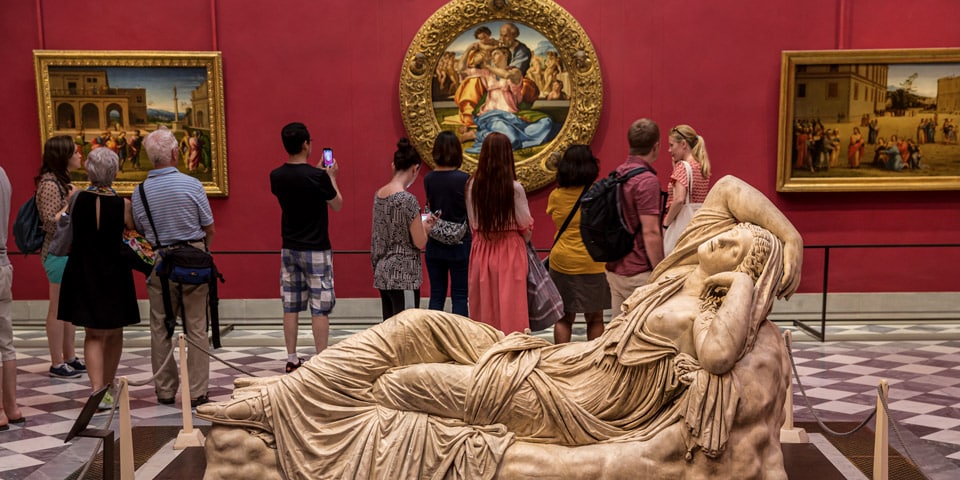
Uffizi Museum – Florence
Beyond the canonical sites, Florence rewards curiosity. The Medici Chapels illuminate the relationship between power and patronage, while Santa Croce serves as a civic pantheon, housing the tombs of Michelangelo, Galileo and Machiavelli. Across the Arno, the Oltrarno retains an artisanal character, with workshops, studios and neighbourhood life that resist theatricalisation.
Florence’s enduring appeal lies in rhythm. Distances are walkable, perspectives contained, and the city reveals itself through repetition rather than spectacle.
Music and Cultural Continuity
Florence’s engagement with the arts remains active rather than commemorative. At the Maggio Musicale Fiorentino, a recent staging of Puccini’s La bohème demonstrated the city’s commitment to clarity and restraint. The production favoured suggestion over excess, allowing music and narrative to unfold with emotional precision — a reminder that Florence’s cultural life continues to evolve without abandoning its intellectual roots.
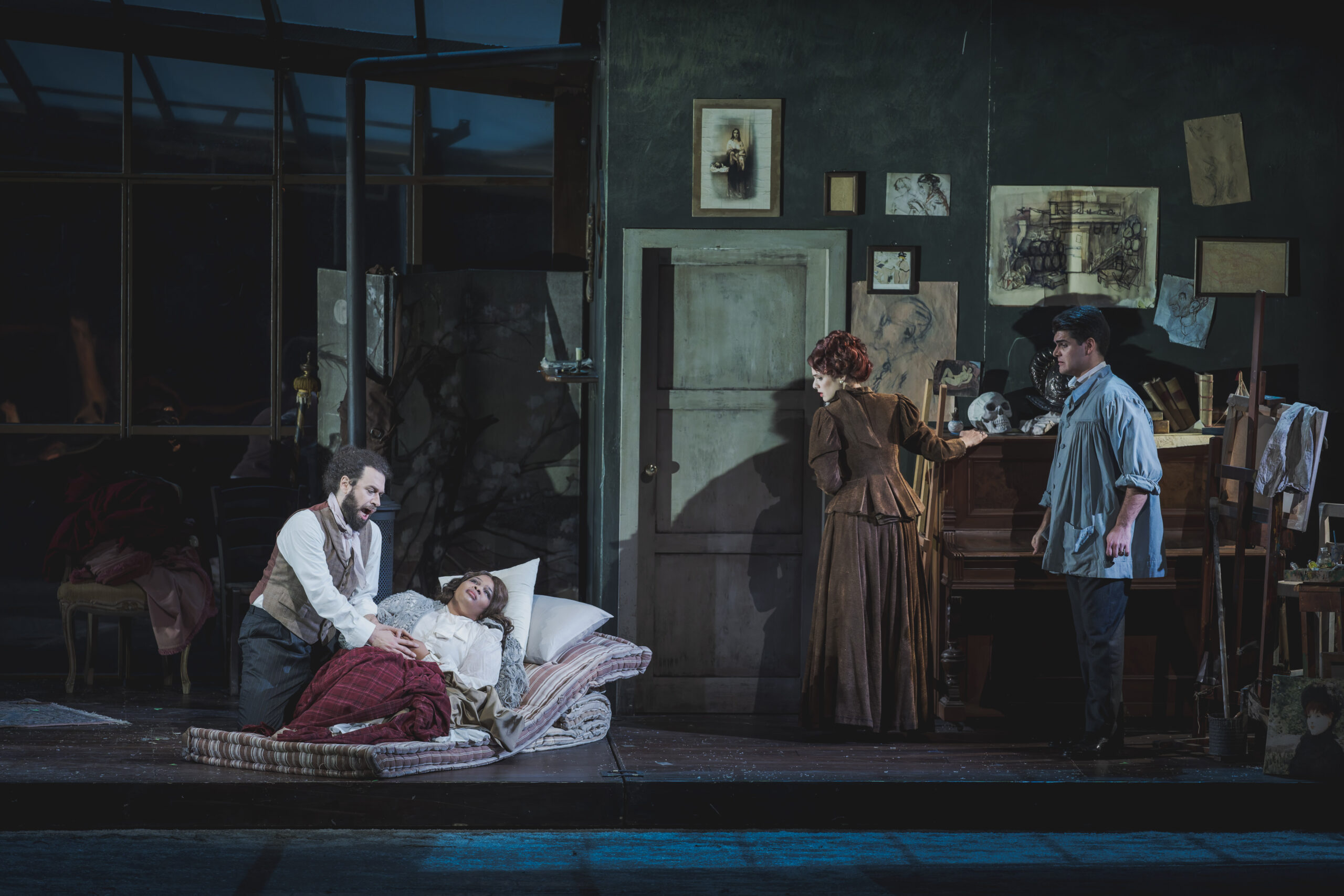
Bohème, Teatro del Maggio – Florence
Staying in Florence
Within the historic centre, Hotel La Gemma represents a contemporary expression of Florentine hospitality that privileges balance and discretion. Family-owned and carefully conceived, the hotel blends modern design with a sense of warmth rooted in Italian domestic tradition. Interiors are refined but unshowy, offering calm in a city rich in visual intensity.
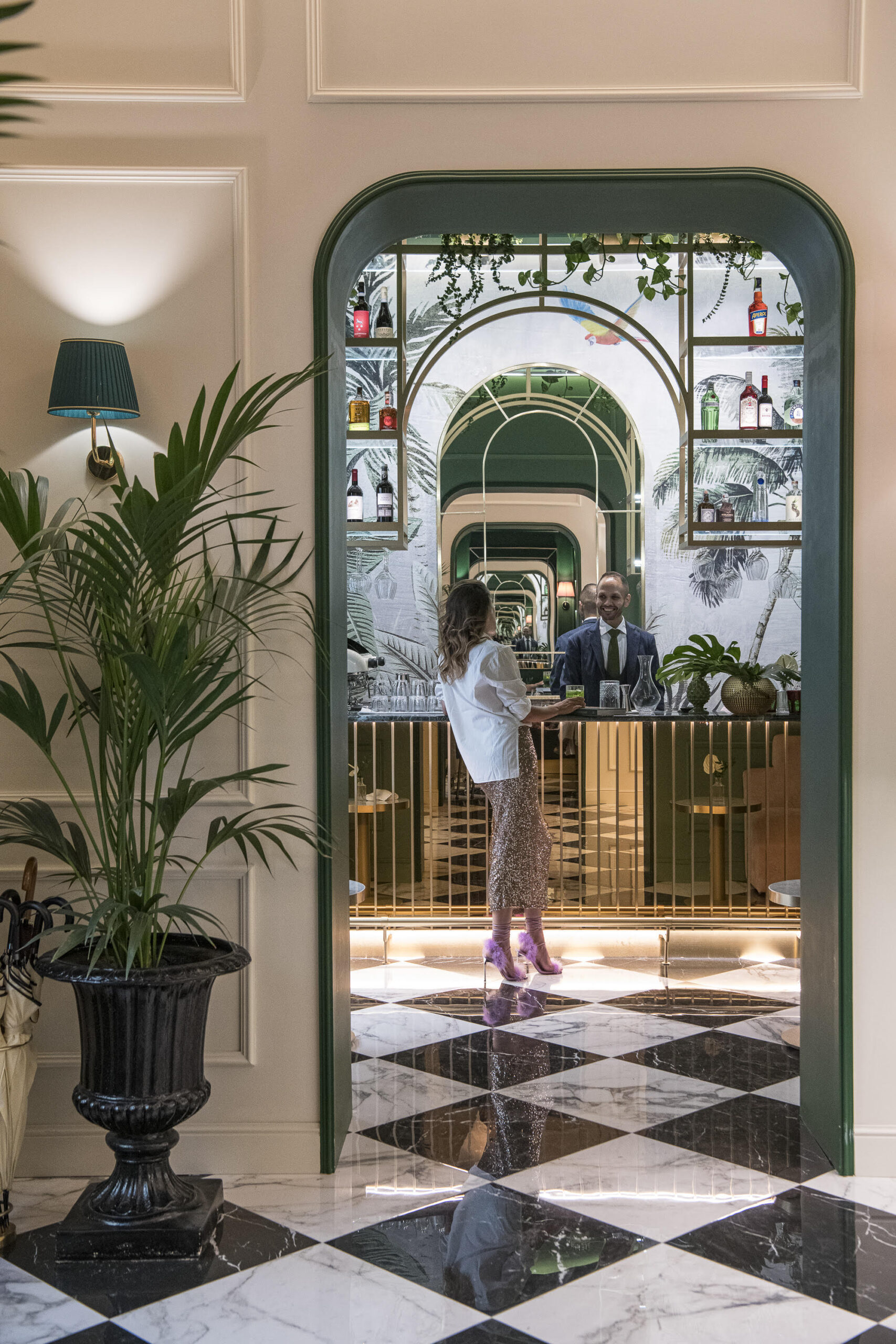
Hotel La Gemma – Florence
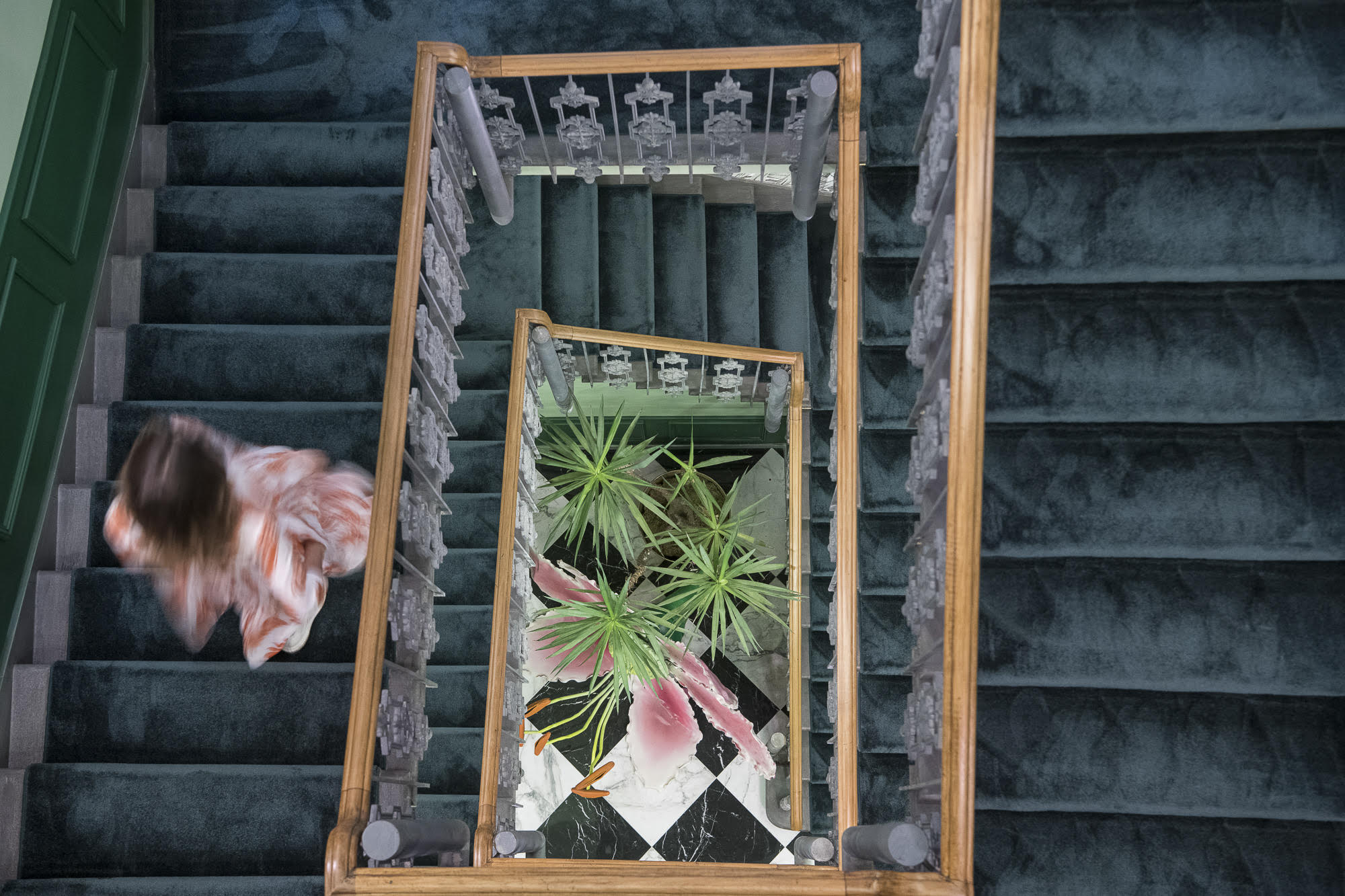
Hotel La Gemma – Florence
Dining at Luca’s, the hotel’s Michelin-starred restaurant under Chef Paolo Airaudo, reflects Florence’s culinary sensibility: disciplined, inventive and grounded in regional tradition. The Allure Spa, with its Biologique Recherche treatments and emphasis on personalised care, provides a restorative counterpoint to days spent navigating museums and streets dense with history. La Gemma suits travellers who value understatement, quality and thoughtful design.
Beyond the Cities: Thermal Tuscany
After the cultural density of Rome and Florence, many travellers seek a pause. In the rolling countryside of the Tuscan Maremma, Terme di Saturnia Natural Destination offers precisely that.
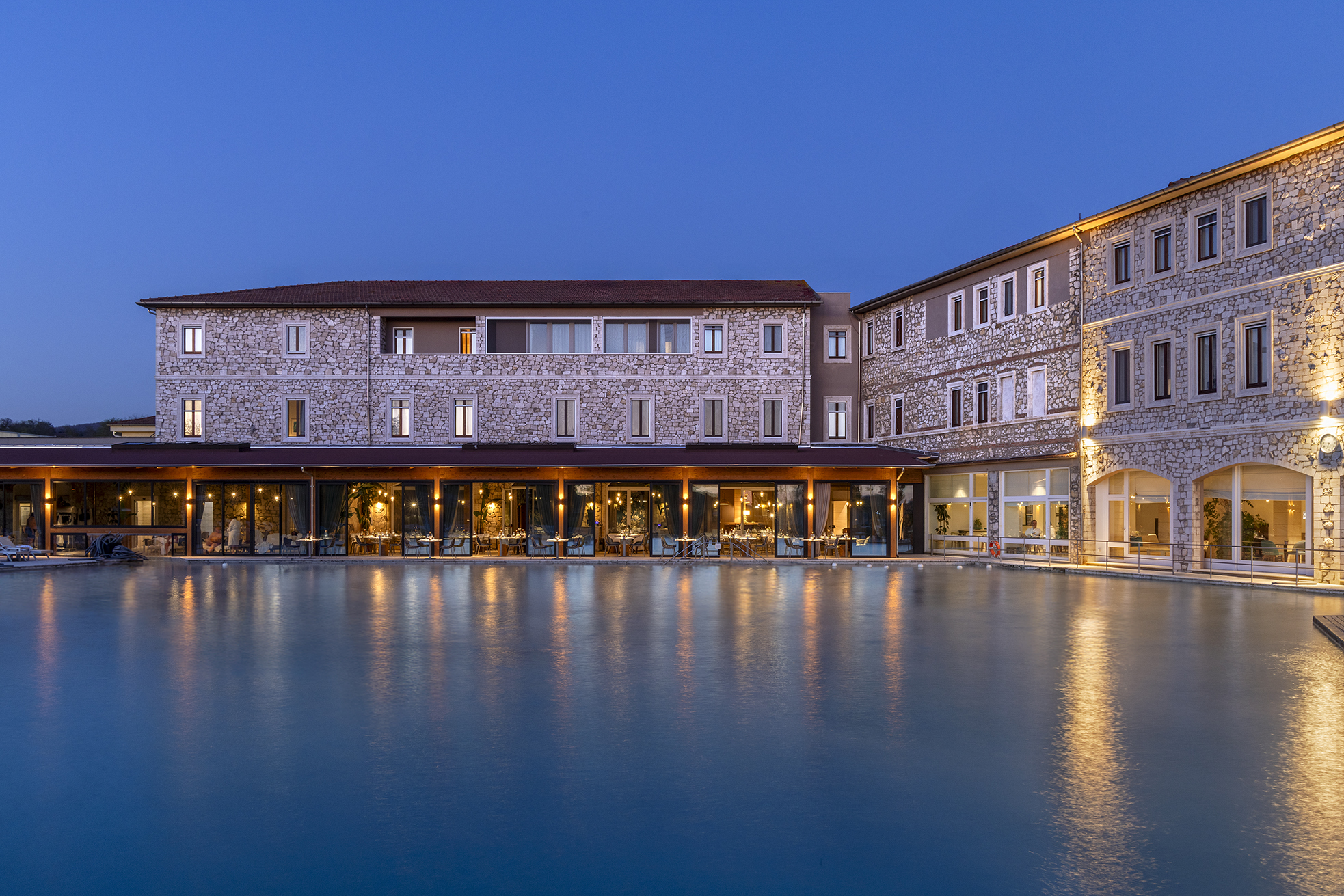
Terme Di Saturnia – Tuscany

Terme Di Saturnia – Tuscany
Centred on a natural thermal spring that has flowed continuously for over 3,000 years, Saturnia draws on traditions of wellness that date back to Roman times. Mineral-rich waters feed pools, whirlpools and therapeutic circuits, while the surrounding landscape, vineyards, olive groves and open hills, encourages a slower, restorative pace.
The resort combines a five-star hotel with an award-winning spa, a golf course and multiple dining options that celebrate Tuscan produce. Accommodation is comfortable and restrained, allowing light, space and landscape to take precedence. As part of a broader Italian itinerary, Saturnia provides not distraction, but balance, a place to absorb, reflect and recover.
An Enduring Itinerary
Rome and Florence are often framed as opposites, yet together they form a coherent narrative. One speaks of empire, memory and endurance; the other of proportion, intellect and human scale. To travel between them in 2026 is not to chase novelty, but to engage with places that remain confident in their own significance.
Italy, approached in this way, continues to reward those willing to slow down — and to look closely.


